

Pataleshwar Cave Temple is an eighth-century rock-cut Shiva temple on Jangli Maharaj Road in Pune’s Shivajinagar area. Its pillared halls, Nandi mandapa and unfinished sculptures make it a distinctive stop for exploring Pune heritage.
- Location: Jangli Maharaj Road, Shivajinagar, Pune
- What to see: A Nandi mandapa, carved pillars and Shaiva sculptures
- Access: Check with the Archaeological Survey of India before visiting
The setting and history of Pataleshwar
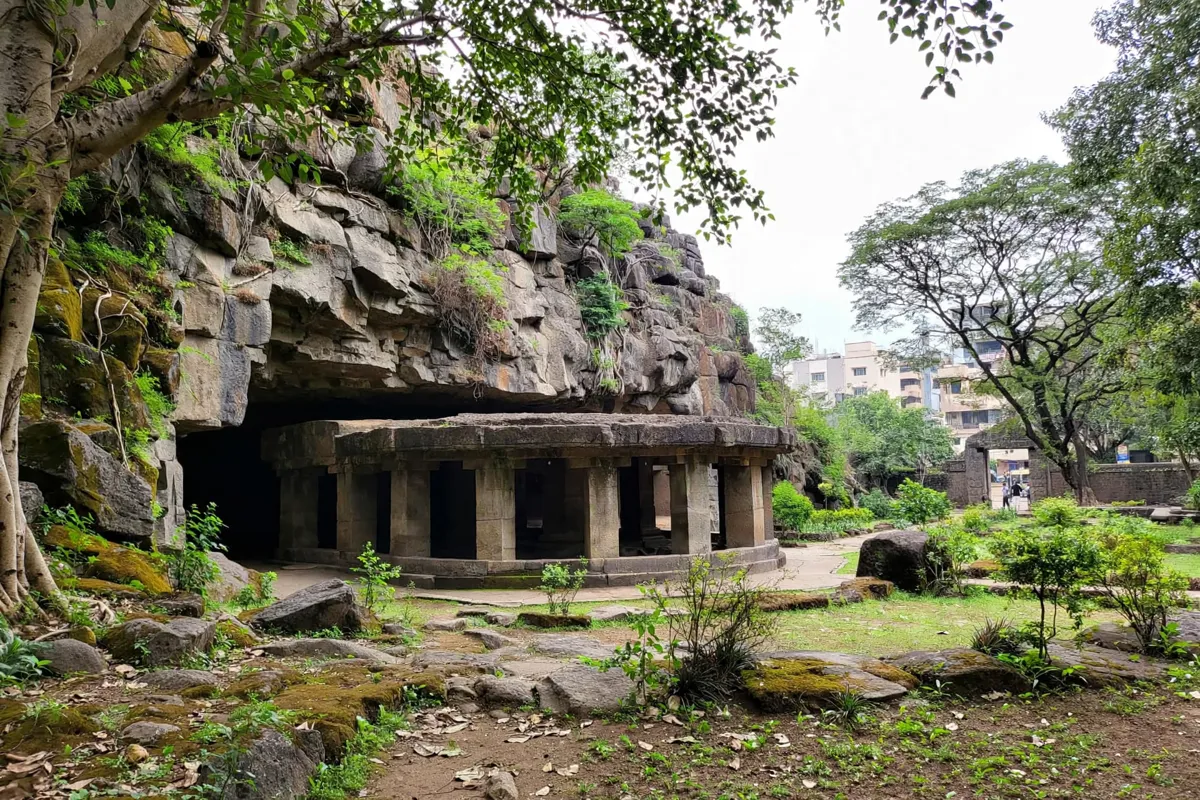
Pataleshwar is an unfinished rock-cut temple associated with the Rashtrakuta dynasty. The Archaeological Survey of India’s protected-monuments list gives its name as “The Cave Temple of Bhamburda (pataleshwar)” and places it in Pune, Maharashtra.
The cave was carved from rock as a Shiva temple, and the incomplete excavation is part of its story. It is one of Pune’s ancient heritage sites, set within the city rather than at a remote archaeological complex. The Government of India’s Incredible India page also identifies the temple as dedicated to Shiva, with a separate shrine for Nandi.
For a broader city itinerary, Pataleshwar can fit into a one day in Pune route through the central city.
What to look for at the cave temple
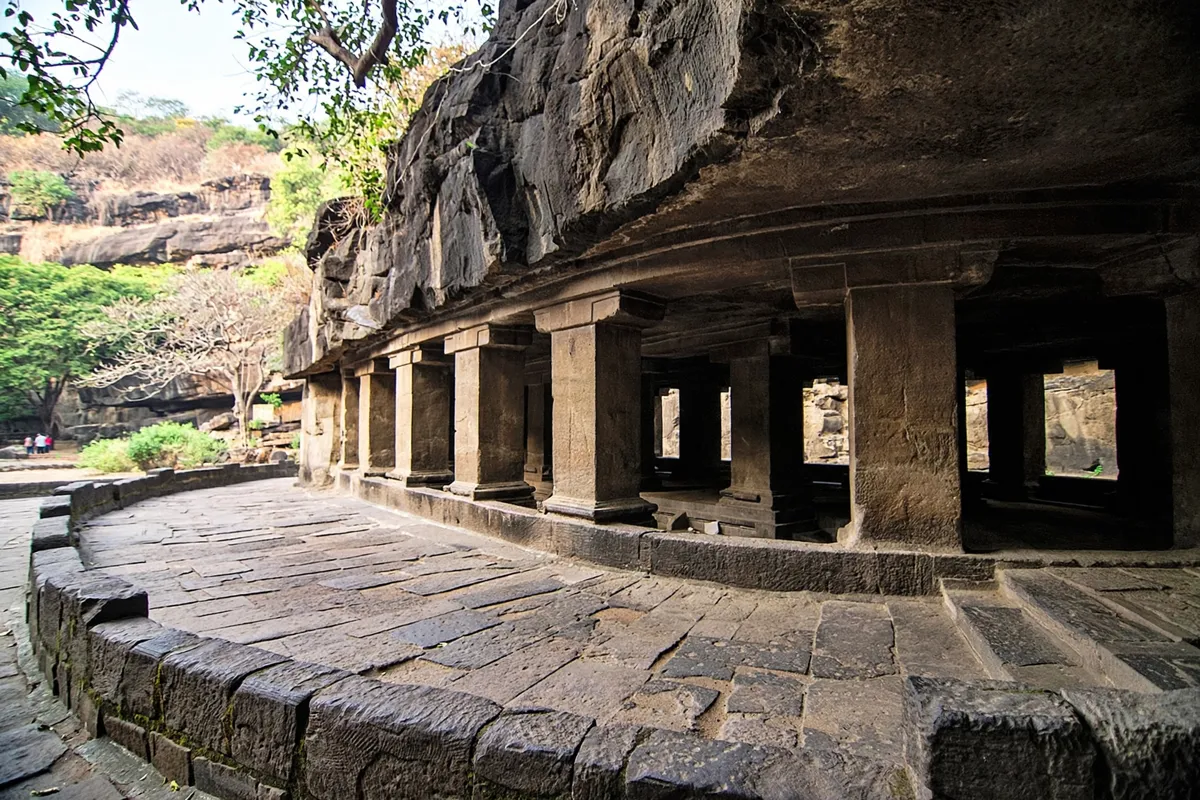
The carved layout brings together a Nandi mandapa and an assembly hall, with details that reward a slow look around. The Nandi mandapa has 16 pillars: 12 in its circular section and four in its square section.
The assembly hall has about 29 full columns and about 13 pilasters. Between the rows are unfinished Shaiva sculptures, a reminder that the excavation was never completed. Depictions include Lingodbhava Shiva, Tripurantaka Shiva and Kiratarjuniya.
Look for the five-line Devanagari inscription on the wall to the left of the assembly-hall entrance. It is severely eroded, so its presence is easier to appreciate than its text. Before the mandapa, a later Maratha-period Nandi stands to the left; inside, the mandapa’s Nandi sits toward the front rather than in the center.
How do you get to Pataleshwar?
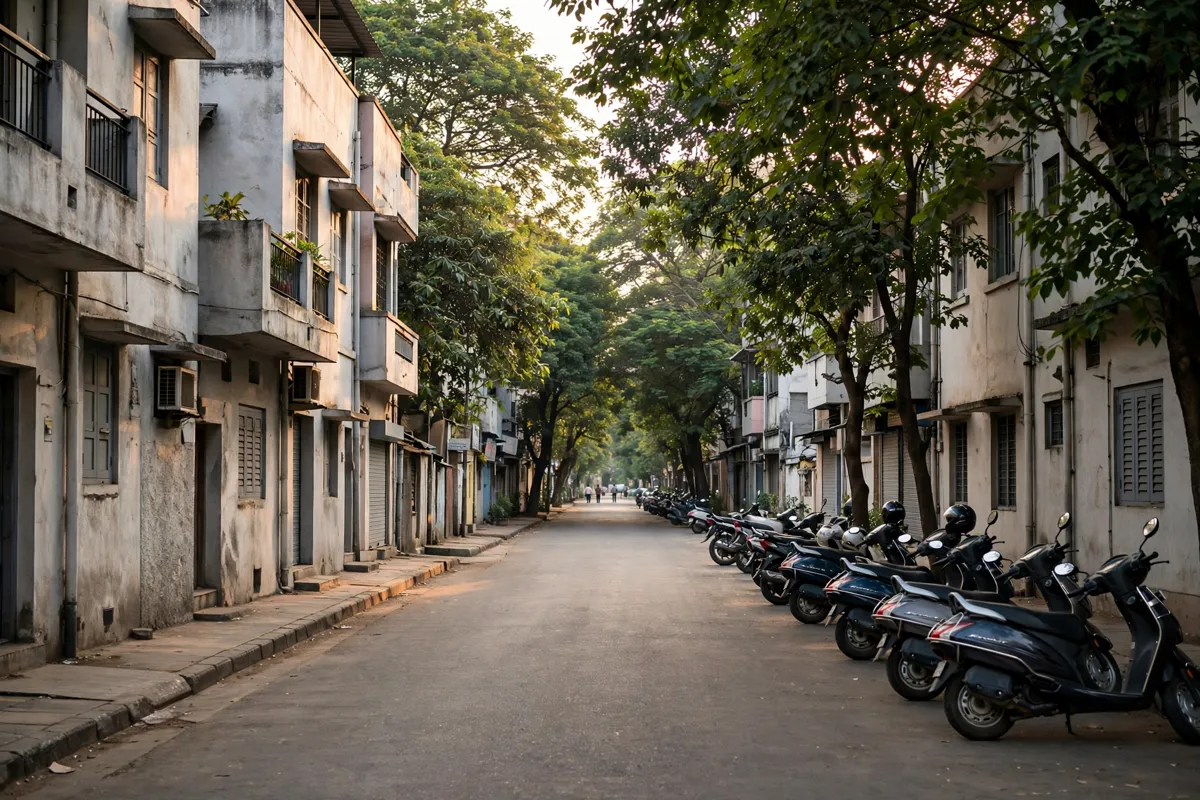
Pataleshwar is about a 12-minute drive from Studio Estique, which offers guest rooms in Pune.
The cave’s entrance is from Jangli Maharaj Road, and an Archaeological Survey of India office is located at the entrance area. Check current access arrangements with the Archaeological Survey of India before setting out.
Visitor etiquette and access checks
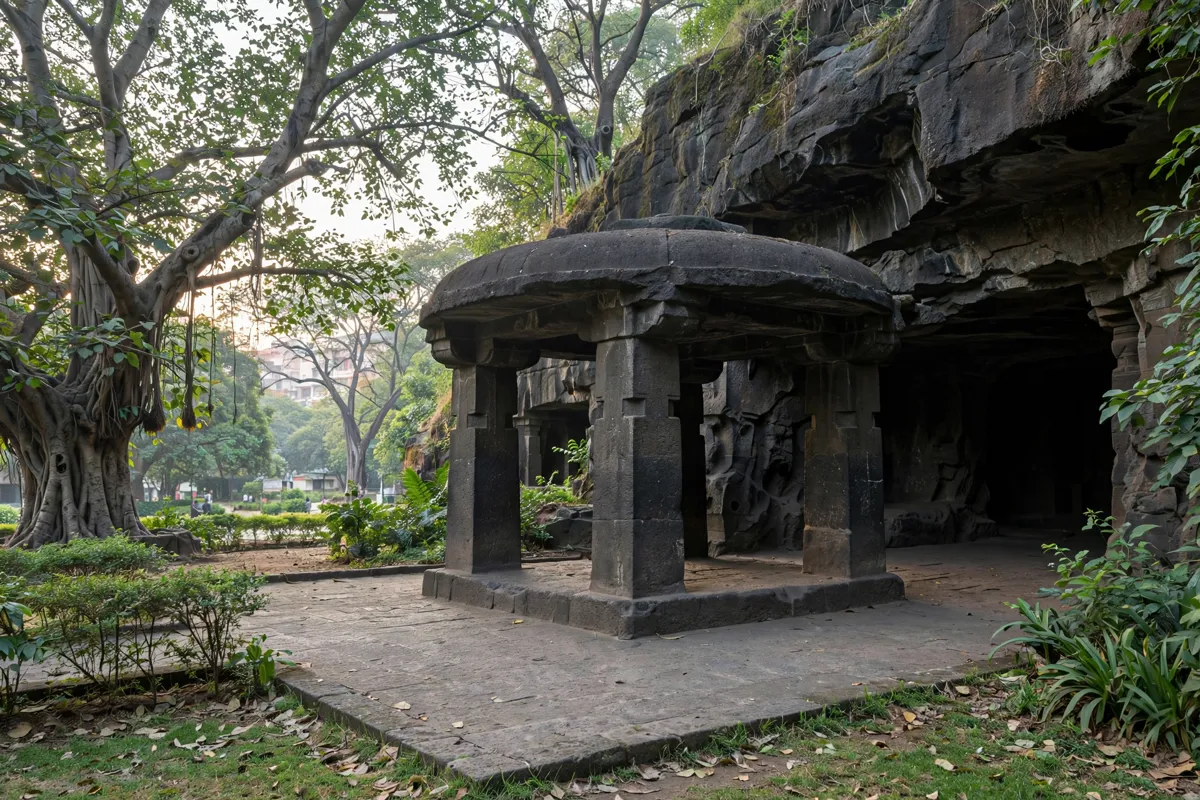
Pataleshwar is a place of worship as well as a protected heritage site, so keep your visit respectful and follow any instructions at the entrance. The presence of unfinished sculptures and an eroded inscription makes it worth taking care around the carved surfaces.
If Pune Junction is part of your arrival, you can plan that leg with this Pune Junction to Hotel Studio Estique route guide. Opening arrangements and visitor rules can change. Before you go, check the official site of the Archaeological Survey of India for current access guidance.
FAQs
Who is Pataleshwar Cave Temple dedicated to?
The cave temple is dedicated to Shiva. It also has a separate shrine for Nandi.
Why is the temple considered unfinished?
The excavation was incomplete, and unfinished Shaiva sculptures remain between the assembly hall’s pillar rows.
What is the temple’s official protected-monument name?
The Archaeological Survey of India’s centrally protected monuments list calls it “The Cave Temple of Bhamburda (pataleshwar)”.